It's Not Shame, It's Protection
The moment a Black woman puts on a wig, adds extensions, or wears a weave, someone is ready to accuse her of being ashamed of her natural hair.
But what if she is not hiding her hair?
What if she is protecting it?
Protective styling has been part of Black hair care for generations. Braids, twists, cornrows, tucked styles, wigs, and wraps can reduce daily manipulation, limit exposure to harsh weather, and give the hair a break from constant styling. Protective styles do not have to include extensions or weave, but they often do. Using added hair does not make the style less meaningful or the woman wearing it less authentic.
The real issue is not whether the hair was purchased. The real issue is whether the natural hair and scalp underneath are being cared for.
A wig can protect hair, but neglecting the scalp beneath will lead to trouble. Braids can help retain length, but excessive tension can cause breakage and traction alopecia. A sew-in can provide convenience and versatility, but it should never come at the cost of healthy edges. Protection is not determined by the name of the style. It is determined by how the style is installed, maintained, and removed.
What makes the controversy especially frustrating is that Black women are not the only people wearing added hair. White, Hispanic, and Asian women also wear wigs, extensions, toppers, clip-ins, and hairpieces for volume, convenience, fashion, thinning hair, or simply because they enjoy changing their appearance.
Men wear added hair too. Toupees have evolved into modern hair systems, units, fibers, and cosmetic enhancements designed to create the appearance of fuller hair. Even the hair of public figures such as Donald Trump has inspired years of jokes, questions, and speculation.
Yet somehow, Black women remain the center of the criticism.
When someone else wears extensions, it is called glamorous. When a Black woman wears them, people question whether she loves herself. When someone else wears a hairpiece, it is considered a beauty solution. When a Black woman wears a wig, she is accused of hiding.
That double standard reveals the real problem.
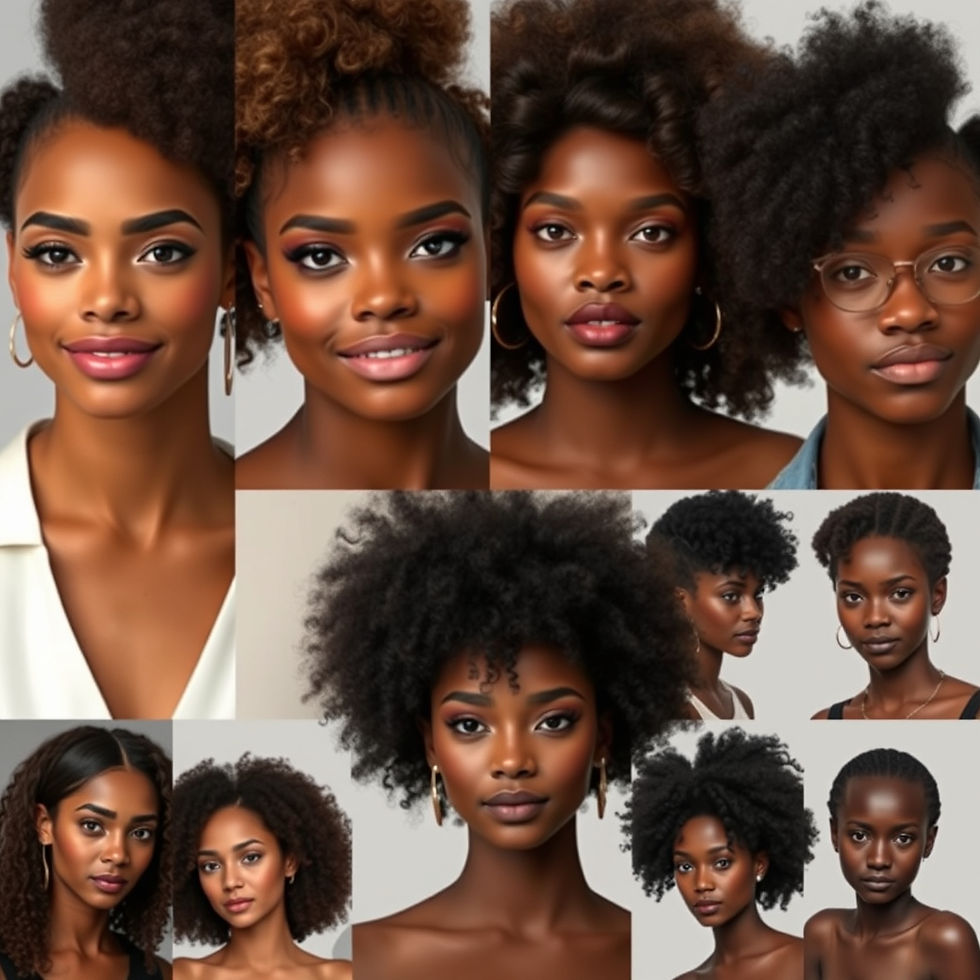
Black women are expected to wear their natural hair proudly while also being criticized when that hair is considered too textured, too large, too short, too “unprofessional,” or too difficult to understand. We are told to embrace our hair, but too often, society only celebrates it when it appears in a form that feels comfortable to everyone else.
My stance is simple: healthy hair matters more than the hairstyle.
Wear the afro. Wear the wig. Rock the locs, braids, twists, silk press, sew-in, or extensions. Just care for the crown beneath it. Cleanse your scalp, moisturize your hair, avoid excessive tension, take breaks between styles, and pay attention when your hair is telling you that something is wrong.
Black women do not owe anyone constant access to their natural hair to prove that we love it.
Sometimes the wig is fashion. Sometimes it is convenience. Sometimes it provides confidence during hair loss. Sometimes it is simply fun.
And sometimes, it is protection.
It is not shame. It is the freedom to care for our hair and wear our crowns on our own terms.
Comments