15 Common Causes of Hair Loss: Your Hair Is Talking... Are You Listening?
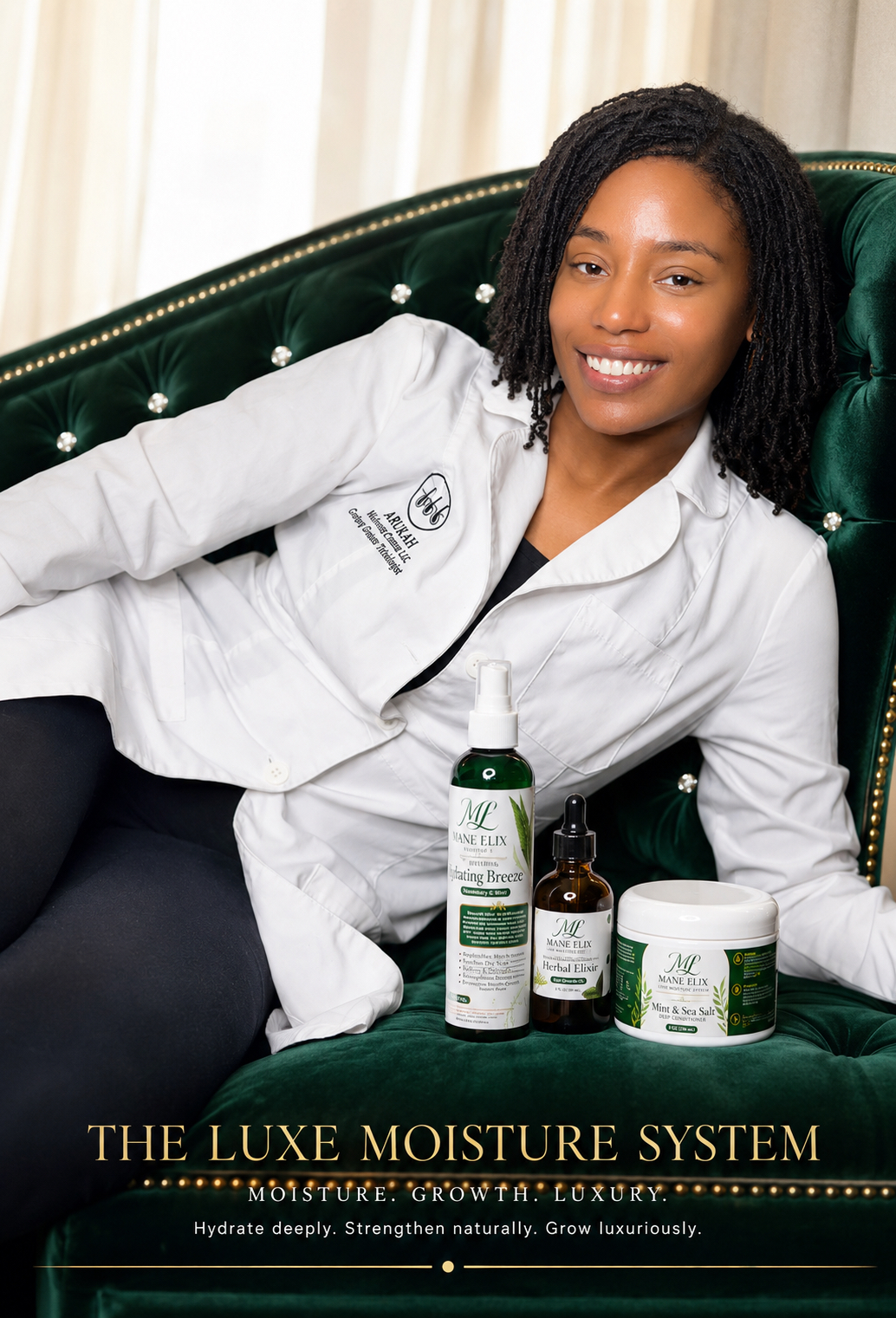
One of the first questions I ask my clients is simple:
"When did you first notice your hair changing?"
Because here's the truth: hair doesn't just wake up one day and decide to fall out.
Hair loss is often your body's way of saying, "Hey... something isn't right." Your job isn't to panic. Your job is to listen.
As a Certified Hair Loss Practitioner and Trichologist, I want you to know something important: hair loss is a symptom, not a diagnosis. Finding the why is the first step toward finding the right solution.
Let's walk through 15 of the most common causes of hair loss.
1. Genetics (Androgenetic Alopecia)
If your parents or grandparents experienced thinning hair, genetics may play a role. This is one of the most common causes of hair loss in both women and men and often develops gradually over time.
What to do: Don't wait. The earlier you address genetic hair loss, the better your chances of slowing its progression.
2. Chronic Stress
Major life changes, emotional stress, surgery, or illness can push more hairs into the shedding phase. You may notice increased shedding two to three months after the stressful event.
What to do: Manage stress, prioritize sleep, and remember that stress-related shedding is often temporary once the body recovers.
3. Hormonal Changes
Pregnancy, childbirth, menopause, thyroid disorders, and conditions like PCOS can all disrupt the hair growth cycle.
What to do: Speak with your healthcare provider about hormone testing if you suspect an imbalance.
4. Iron Deficiency
Your hair follicles need oxygen and nutrients to thrive. Low iron levels can contribute to excessive shedding and thinning.
What to do: Ask your healthcare provider to evaluate your iron levels before taking supplements.
5. Poor Nutrition
Crash diets, low protein intake, and vitamin or mineral deficiencies can leave your hair without the building blocks it needs.
What to do: Focus on a balanced diet rich in protein, healthy fats, vitamins, and minerals.
6. Autoimmune Conditions
Conditions such as alopecia areata occur when the immune system mistakenly attacks healthy hair follicles.
What to do: Seek evaluation from a healthcare professional. Early intervention is important.
7. Tight Hairstyles (Traction Alopecia)
Braids, ponytails, sew-ins, locs, and extensions aren't the problem; the tension is.
Repeated pulling of hair can permanently damage hair follicles if ignored.
What to do: Choose styles that feel comfortable, vet your hairstyles, and never sacrifice your edges for a "sleek" look.
8. Scalp Conditions
Inflammation, infections, psoriasis, seborrheic dermatitis, and other scalp disorders can interfere with healthy hair growth.
What to do: Treat the scalp first. Healthy hair begins with a healthy scalp.
9. Certain Medications
Some medications, including certain blood pressure medications, antidepressants, blood thinners, and chemotherapy drugs, can contribute to hair loss.
What to do: Never stop a medication without consulting your healthcare provider. Discuss possible alternatives if appropriate.
10. Rapid Weight Loss
Losing a significant amount of weight in a short period can shock the body and trigger temporary shedding.
What to do: Aim for gradual, sustainable weight loss while meeting your nutritional needs.
11. Aging
As we age, hair naturally becomes finer, grows more slowly, and may become less dense.
What to do: While aging can't be stopped, healthy hair practices can help maintain the healthiest hair possible.
12. Heat and Chemical Damage
Repeated bleaching, coloring, relaxing, and excessive heat styling can weaken hair and contribute to breakage. While breakage isn't the same as hair loss, severe damage can sometimes affect the follicle or mask an underlying problem.
What to do: Give your hair regular breaks, use heat wisely, and prioritize moisture and strength.
13. Illness or High Fever
After recovering from COVID-19, the flu, pneumonia, or other illnesses, many people experience increased shedding several months later.
What to do: In many cases, the shedding resolves as the body recovers.
14. Chronic Inflammation
Inflammation within the body or scalp can disrupt the normal hair growth cycle and interfere with healthy follicles.
What to do: Work with healthcare professionals to identify and manage the underlying cause of the inflammation.
15. Hair Care Habits
Skipping wash days for extended periods, product buildup, rough detangling, excessive manipulation, or constantly wearing the same tight style can all affect the health of your scalp and hair.
What to do: Build a consistent routine that keeps your scalp clean, your hair moisturized, and your strands protected.
So... What Should You Do Next?
If you're experiencing hair loss, don't immediately assume you need another miracle oil or the latest viral product.
Start by asking yourself:
When did this begin?
Has anything changed in my health?
Have I been under unusual stress?
Am I noticing thinning, widening parts, or bald spots?
Is my scalp healthy?
Your answers can provide valuable clues.
The Bottom Line
Hair loss is rarely random.
More often than not, it's your body's way of asking for attention.
The good news? Many forms of hair loss can improve when the underlying cause is identified and addressed early. That's why education matters. The sooner you understand what's happening, the sooner you can make informed decisions about your hair health.
Your hair is part of your story, but it doesn't have to define it.
Listen to your body. Care for your scalp. Seek answers instead of guessing.
Because healthy hair doesn't begin with a miracle product.
It begins with understanding the "why." 💚
Comments